

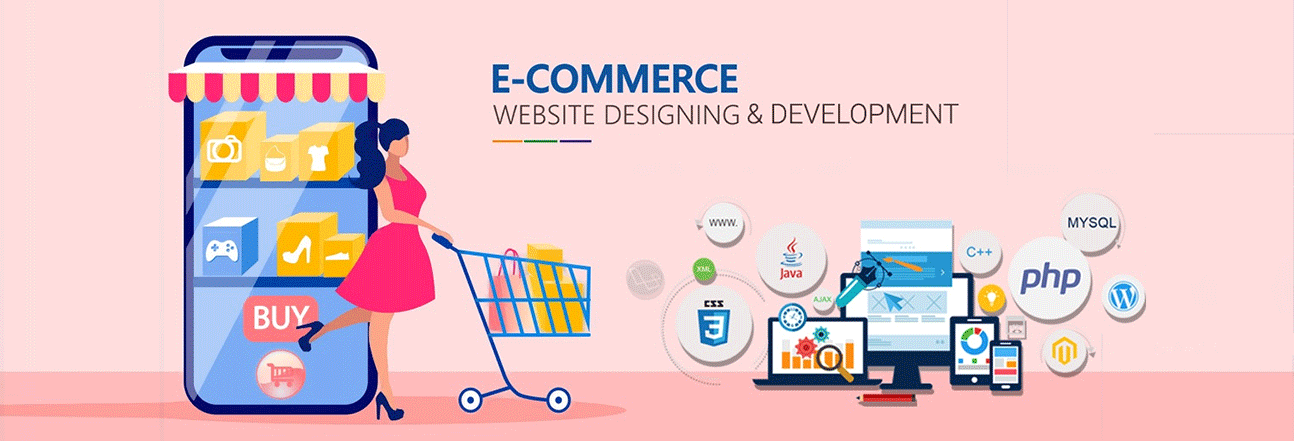
Ecommerce
Website
In today's digital age, an ecommerce website has become a necessity for businesses to stay competitive in the market. With the ease of online shopping, consumers are now more inclined to purchase products or services through the internet. As a result, having an ecommerce website can provide numerous benefits to your business.

What is an Ecommerce Website?
An ecommerce website is an online platform that allows businesses to sell their products or services through the internet. It allows consumers to browse through a wide range of products, make purchases, and track their orders online.
Benefits of Having an Ecommerce Website
Global Reach:
An ecommerce website enables businesses to reach a global audience without any geographical limitations. This can significantly increase sales and revenue.
24/7 Availability:
Unlike physical stores, an ecommerce website is accessible 24/7, allowing customers to make purchases at any time of the day. This can increase sales and improve customer satisfaction.
Cost-Effective:
Setting up an ecommerce website is a cost-effective option compared to opening a physical store. It eliminates the need for rental fees, utilities, and other overhead costs associated with operating a physical store.
Customer Data:
Ecommerce websites provide businesses with valuable customer data, such as purchase history and preferences, which can be used to improve marketing strategies and customer experience.
Marketing Opportunities:
Ecommerce websites provide businesses with various marketing opportunities, such as email marketing, social media marketing, and search engine optimization (SEO).
Things to Consider
User Experience:
An ecommerce website should provide a seamless and user-friendly experience to customers, from browsing through products to making payments and tracking orders.
Security:
Security is a crucial aspect of an ecommerce website, and businesses should ensure that their website is secure to prevent any fraudulent activities.
Mobile Optimization:
With the majority of online purchases made through mobile devices, it is crucial to have a website that is mobile-optimized to provide customers with a better shopping experience.
Payment Options:
An ecommerce website should offer multiple payment options to customers, such as credit cards, debit cards, PayPal, and other digital wallets.
Customer Service:
Providing excellent customer service is crucial for the success of an ecommerce website. Businesses should ensure that their customer support is accessible and responsive to customer queries and concerns.


How to Get Maximum Results
- Professional Design : An ecommerce website should have a professional design that reflects the brand's identity and provides a pleasant shopping experience to customers.
- High-Quality Product Images : High-quality product images are essential for ecommerce websites to showcase their products and attract customers.
- Fast Loading Speed : A fast-loading website can significantly impact customer satisfaction and can lead to higher conversion rates.
- Search Engine Optimization (SEO) : SEO can help improve the visibility of an ecommerce website in search engine results pages, leading to higher traffic and sales.
- Social Media Integration : Integrating social media with an ecommerce website can provide businesses with an additional marketing platform and can increase the reach of their products or services.
An ecommerce website has become a necessity for businesses to stay competitive and reach a global audience. It offers numerous benefits, such as increased sales, cost-effectiveness, and valuable customer data. By considering the essential aspects and implementing the best practices, businesses can get maximum results from their ecommerce website and achieve success.
Different types of e-commerce websites
Business-to-Consumer (B2C):
This is the most common type of ecommerce website, where businesses sell products or services directly to consumers.
Business-to-Business (B2B):
In this type of ecommerce, businesses sell products or services to other businesses.
Consumer-to-Consumer (C2C):
In C2C ecommerce, individuals sell products or services to other individuals through online marketplaces or classified ads.
Consumer-to-Business (C2B):
In C2B ecommerce, individuals sell their products or services to businesses.
Business-to-Government (B2G):
This type of ecommerce involves businesses selling their products or services to government agencies.
Consumer-to-Government (C2G):
In C2G ecommerce, individuals sell their products or services to government agencies.
Government-to-Business (G2B):
In G2B ecommerce, government agencies sell their products or services to businesses.
Government-to-Consumer (G2C):
In G2C ecommerce, government agencies sell their products or services to consumers.
Mobile commerce (M-commerce):
M-commerce refers to buying and selling products or services through mobile devices such as smartphones and tablets.
Social commerce:
Social commerce involves buying and selling products or services through social media platforms such as Facebook, Instagram, and Pinterest.













FAQ
( Frequently Asked Questions )


If you're looking to expand your business and reach a wider audience,
consider building an ecommerce website today.
Contact us to learn more about our ecommerce website development services and how we can help you achieve your business goals.